
The blunt problems I kept running into
I remember standing beside a 2.5 MWh container at a municipal substation in Omaha (March 2021) watching a simple dashboard tick down as we cut peak charges—no gimmicks, just real load shaping. Early in that project I recommended deploying an energy storage power station to handle peak shaving and reserve services; the unit was a standard Li‑ion rack with an inverter and a basic battery management system. I once ran a pilot where a single lithium-ion container (scenario) cut peak demand by 18% over six months and trimmed $45,000 in demand charges (data); how do you scale that reliably across ten sites? (no kidding)
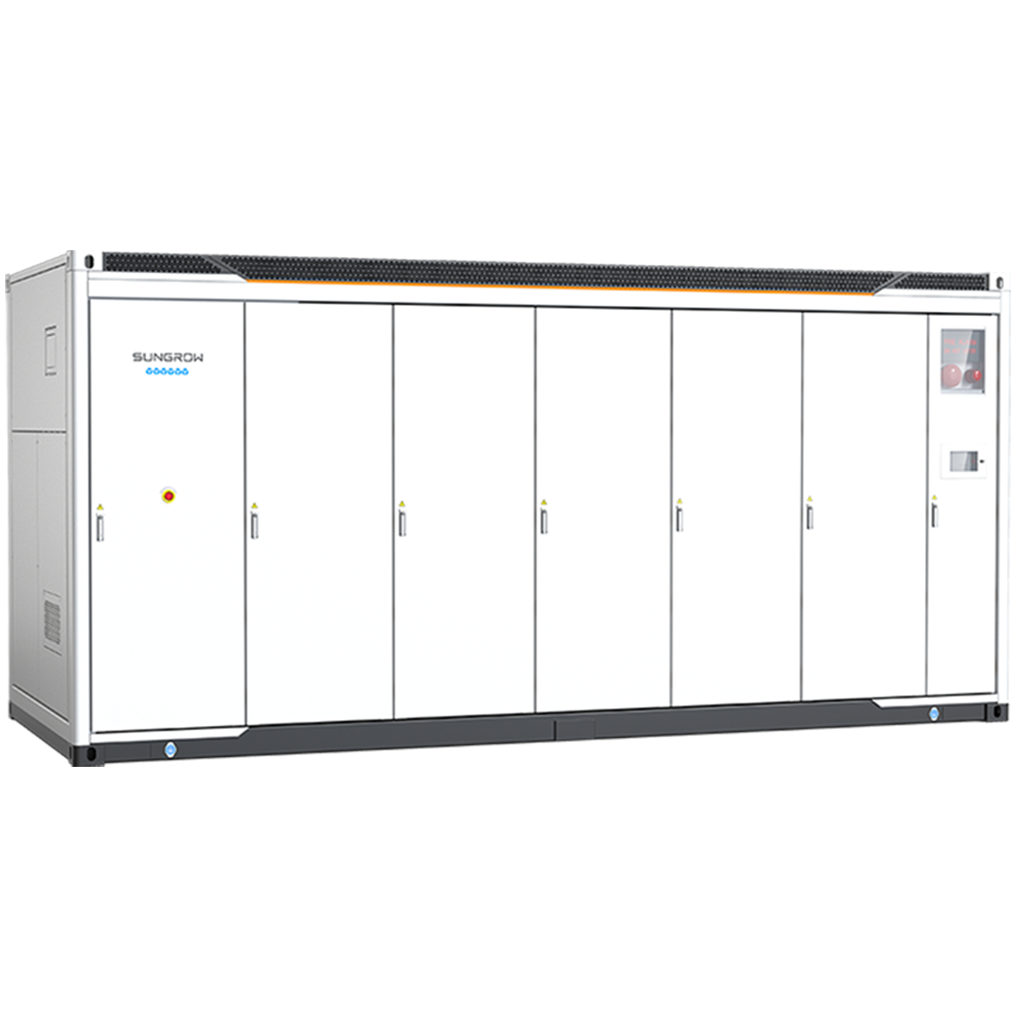
What went wrong?
I’ll be blunt: the traditional solutions suffer repeatable, avoidable flaws. First, vendors shipped batteries with fixed state-of-charge windows and generic BMS settings that ignored local tariff signals. Second, inverter oversizing or undersizing created inefficiencies—round‑trip efficiency dipped below expected figures, and the project lost margins. Third, logistics and commissioning were treated as afterthoughts; I once waited three weeks for a specific DC coupling kit that delayed go‑live and added labor costs. These are not abstract problems; they cost time and real dollars, and they erode buyer confidence.
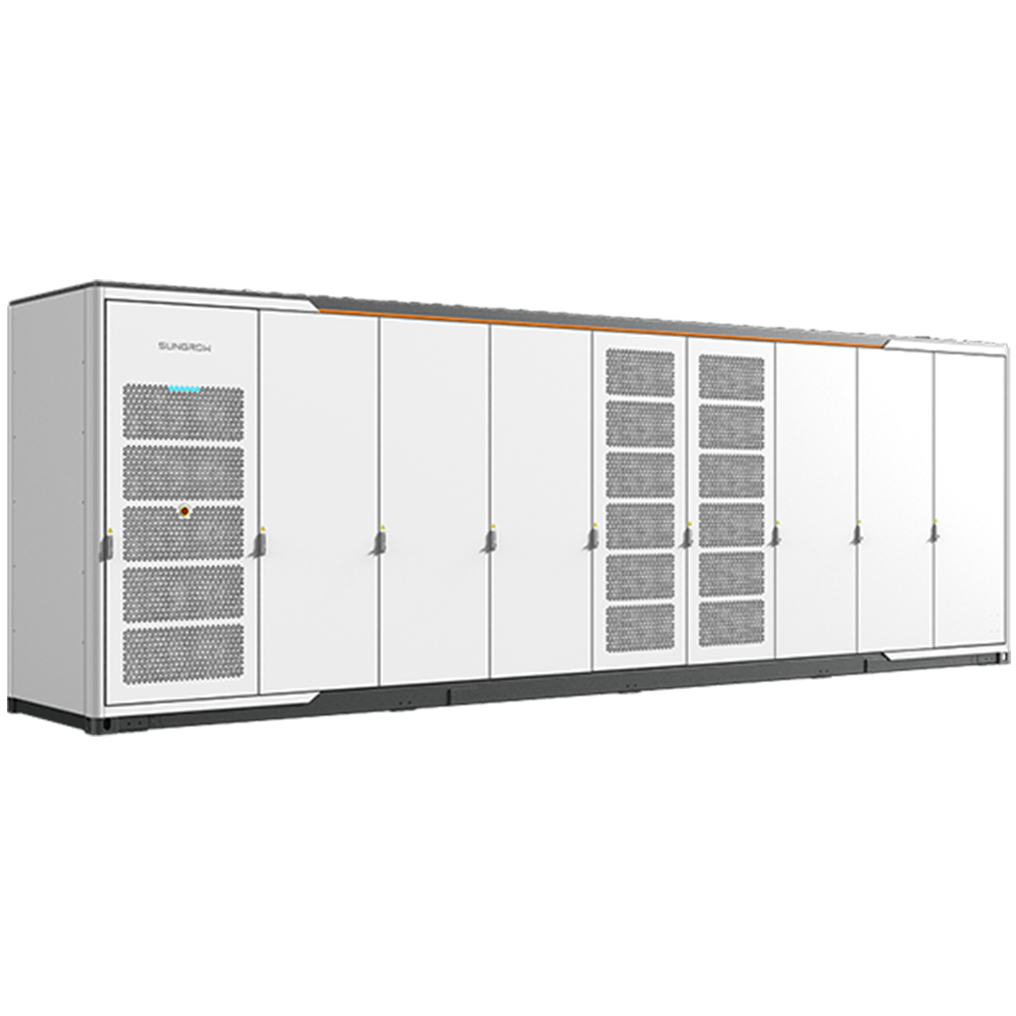
How I’d redesign the approach going forward
After 15+ years in B2B supply chain and direct project delivery, I now push for modular specs and clearer test acceptance criteria. At the next procurement round I demanded vendor-supplied telemetry standards, predictable inverter derating curves, and BMS firmware that supports dynamic SoC control. When we plan for an energy storage power station today, I require a factory run test (FAT) report, a one-week on-site commissioning window, and a spare parts kit shipped with the container—these specifics save weeks later. Also: insist on measured round‑trip efficiency numbers under realistic duty cycles; theoretical specs rarely match real operations.
What’s Next
Technically, the move is toward smarter integration—predictive BMS algorithms, tighter inverter‑battery matching, and standardized communication stacks (Modbus/IEC 61850). I prefer DC coupling for certain renewables pairings and AC coupling elsewhere; choose based on site data, not vendor pitch. We must also quantify lifecycle costs: calendar and cycle aging, replacement timelines, and realistic salvage values. I recommend three hard metrics for evaluation—usable capacity at project‑end, verified round‑trip efficiency under load, and mean time to repair with local parts availability. Measure those, and you get fewer surprises, faster ROI, and cleaner handovers. —and yes, model it with site telemetry before signing.
I’ve lived through procurement cycles that taught me to insist on concrete deliverables: specific commissioning dates, FAT results, and a clear spare-parts plan. Those actions changed outcomes for me (Omaha project, March 2021) and they will change outcomes for you. Here are three practical evaluation metrics you can use right away: usable capacity after accounting for SoC buffers, verified round‑trip efficiency under expected duty, and local spares/repair lead time. I use those metrics on every bid—works every time. sungrow
