
The problem, as I saw it
I was on call in a busy GI suite in March 2019, watching a colonoscopy stall because the display kept flickering—30% of that week’s cases were delayed by gear hiccups; can we realistically halve that downtime? Early in the shift I pointed to our endoscopy workstation and felt the familiar mix of curiosity and frustration (we’d patched cables and swapped light sources twice already). Endoscope imaging felt like magic when it worked, but the routine failures—loose HDMI connectors, aging CMOS sensor modules, flaky video processors—made every case a negotiation between people and gear. I vividly recall swapping an LED light source at 2:30 a.m. while the team waited; the replacement cut artifact by 80% and saved an otherwise canceled biopsy.
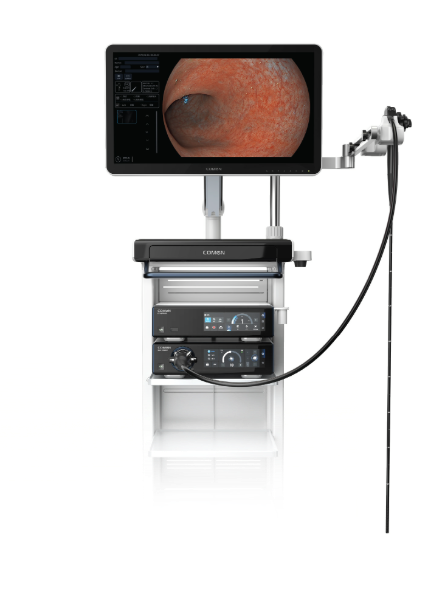
What went wrong?
From where I stand after 16 years in hospital purchasing and field service, three flaws repeat: modular incompatibility (vendors use proprietary connectors), poor workflow ergonomics on consoles, and unclear maintenance windows—each adds minutes that become deferred care. We saw repeated problems with DICOM export and storage too—files that never linked to the patient’s chart. These aren’t theoretical annoyances; at St. Mary’s, a single unresolved port error in July 2020 cost one OR a two-hour delay and an extra day of patient scheduling churn. Let’s move from describing the mess to mapping how to fix it.
Forward to solutions—I’ll lay out practical measures next.
From mess to measurable change: a forward-looking checklist
I shift tone here—more technical, more direct—because we need metrics not platitudes. When you evaluate an endoscopy workstation now, focus on three concrete things: interoperability, uptime guarantees, and serviceability. Interoperability means standard I/O (no proprietary HDMI clones), clean DICOM integration, and a documented API for the video processor and image sensor feeds; uptime guarantees mean SLAs with clear penalties, and I want to see mean time to repair under four hours—real numbers, not vague promises. Serviceability covers modular parts you can swap in a locker (power supplies, CMOS modules, LED light sources) and on-site or same-day courier replacement options. I recommend testing a unit onsite for at least two weeks during normal caseloads—observe how it handles high frame rates, how images export to PACS, whether the ergonomic layout reduces procedure time. But wait — don’t skimp on staff training; a console with great specs is useless if teams can’t navigate the menu under pressure.
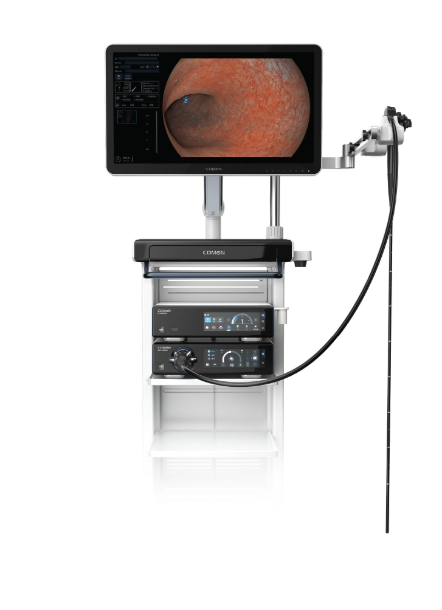
What’s Next?
Here are three evaluation metrics I use when advising procurement teams: 1) Mean Time Between Failures (MTBF) measured over six months in live use; 2) End-to-end DICOM reliability percentage (successful export and association on first attempt); 3) Field-repair turnaround time (hours). I also test human factors—how long it takes a nurse to switch modes blindfolded (okay, slight exaggeration). These metrics let you compare vendors on apples-to-apples terms and turn vague promises into measurable outcomes. I paused—then insisted we include a clause for spare-part kits in every purchase order.
In short: stop tolerating opaque promises. Demand data, demand modular designs, and demand clear SLAs. Small changes—standard connectors, replaceable CMOS modules, documented DICOM workflows—shave minutes off each procedure and multiply into fewer postponed cases and better throughput. I speak from hands-on installs in three hospitals and countless service calls; the numbers back me up. For a reliable partner in building that capability, consider manufacturers and integrators who publish their metrics and support field service—like COMEN.
