
Introduction — a small scene, some numbers, and a question
I was at a tiny clínica in Guadalajara once, watching a señora press her hand against a warm panel and smile. The device looked like one of those infrared beds we all read about; it was simple, quiet, and she swore it eased her stiff shoulders within days. Data back that up: studies often report measurable gains in pain scores and circulation after repeated sessions (small trials, sure — but consistent). So, what really makes a red light session work — and how do we choose the right setup for real life, not just glossy ads?
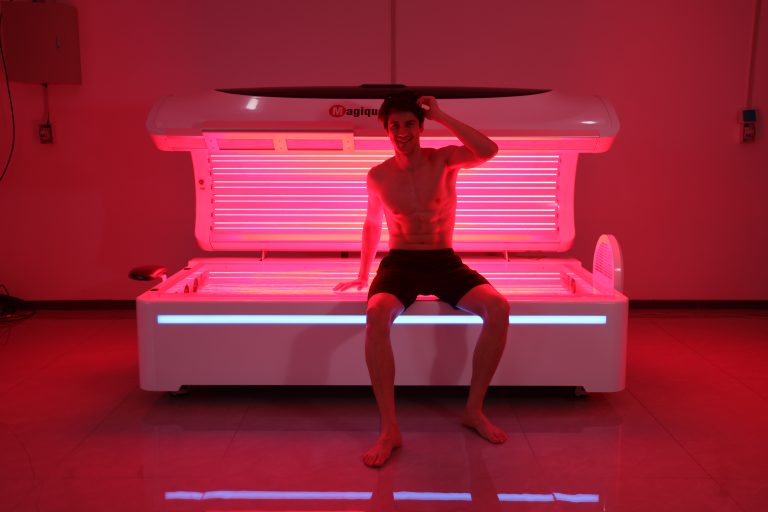
Let me be frank: I care about practical results. I like devices that are built with clear specs — things like irradiance, wavelength specificity, and reliable power converters. Those specs tell you whether a device is delivering useful doses of near-infrared emitters or just warming the skin. Also, I’m not shy about saying budget matters. We all want value, amigos. — funny how that works, right?
In this piece I’ll walk you through the hidden frictions users face with red light therapy, drill into the technical flaws of traditional approaches, and then look ahead to clearer, smarter options. Ready? Vamos. Next, we dig into the red light chamber itself and the problems that tend to hide behind pretty pictures.
Part 2 — Where traditional solutions fall short: the red light chamber up close
Let’s start specific: the red light chamber is the classic design for many clinics and home users. On paper it looks great — a full-panel LED array surrounding the body. In practice, I see three recurring technical problems. First, inconsistent spectral output. Many units mix LEDs that don’t match wavelength specificity standards, so the dose you expect (say 660 nm or 850 nm) drifts. Second, poor thermal management. Panels that run hot force the system to throttle output, lowering irradiance mid-session. Third, control and feedback are minimal: a timer and a power knob don’t tell you the real delivered energy or device drift over time.
Digging deeper — and this gets a bit technical — you can blame component choices as much as design. Cheap LED arrays without proper drivers and robust power converters will show aging quickly. Controller firmware that lacks calibration routines means devices lose efficacy, not just comfort. Look, it’s simpler than you think: good engineering (stable drivers, measured spectral output, and serviceable modules) solves most of these gaps. Still, many users never see that level of care. They just turn on a machine and hope for the best — which is not ideal when you’re investing time and dinero. (I’ve tested units that promised clinic-grade results and under-delivered.)
Why does this matter?
Because the gap between advertised watts and delivered irradiance is often wide. If you want predictable outcomes — less pain, faster recovery, or better sleep — you need measurable, repeatable performance. That’s where a wise purchase starts.
Part 3 — Looking forward: practical tech trends and a guide to choose wisely
I want to shift forward now and talk about what matters next. In my view, the best red light solutions will combine better sensors, smart control, and honest specs. Imagine a future red light chamber that reports real-time irradiance, logs sessions via simple firmware, and uses modular LED arrays so you can swap worn panels. That’s not sci-fi — it’s engineering choices we can make today: better thermal management, calibrated drivers for near-infrared emitters, and edge computing nodes that monitor performance. These moves bring repeatability and trust.
Practically, I encourage buyers to look at three things when comparing units: spectral accuracy (does it hit therapeutic wavelengths consistently?), dose control (can you measure Joules/cm² or at least irradiance?), and serviceability (are parts replaceable and is firmware updateable?). Also, consider real-world factors like session comfort and cabinet ergonomics. Small details — like how air flows through a chamber or how easy it is to clean — matter when you use a device weekly. — I say that from testing and coaching users; these nuances make the difference between a dusty gadget and a piece of daily care.
What’s Next for Clinics and Home Users?
Short-term, expect more transparent specs and smarter controllers. Companies will add diagnostics that tell you when LED arrays age or when power converters start to underperform. Longer-term, we may see hybrid systems that combine targeted near-infrared emitters with dynamic control to tune dose by body region. All this leads to better outcomes — not just bold marketing copy. Funny — the tech we need is often the one that prioritizes honesty over hype.
Practical Takeaways — three metrics I use when evaluating red light solutions
Here are three key evaluation metrics I recommend you use when choosing a red light chamber or infrared bed. I use them every time I advise a client:
1) Spectral Fidelity — Check the stated wavelengths and, if possible, ask for a spectral chart. Devices that list specific nm bands (e.g., 660 nm, 830–850 nm) and provide test results are preferable.
2) Measured Irradiance and Dose — Look for real irradiance numbers (mW/cm²) at a specified distance and calculate delivered dose (J/cm²) for session times. If a vendor can’t give these, be skeptical.
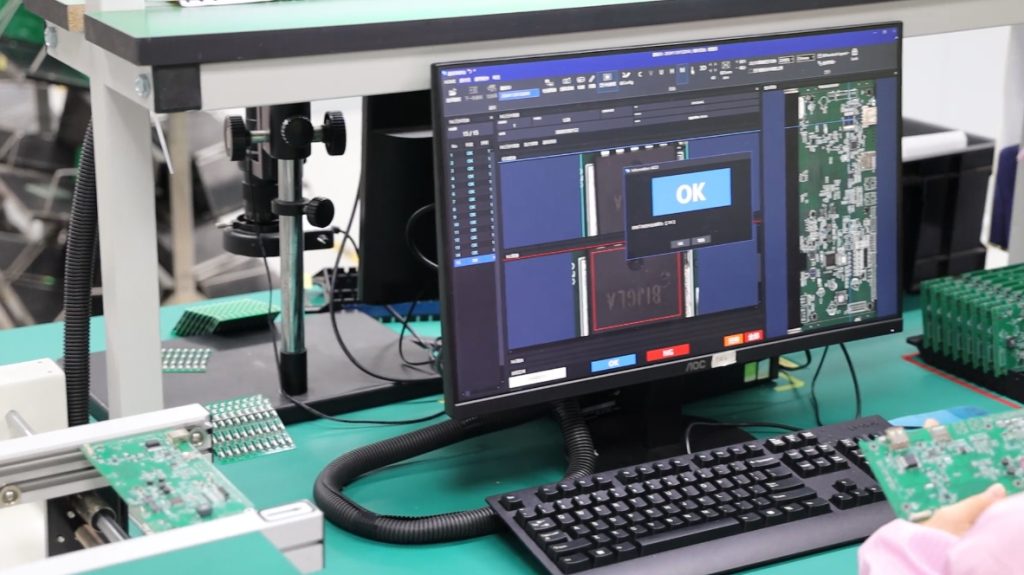
3) Serviceability & Control — Can you update firmware? Replace LED arrays? Is there logging or diagnostics? Devices built with modular parts and clear maintenance paths last longer and perform better over time.
Weigh these metrics together — spectral fidelity vs. dose vs. durability — and you’ll make a smart choice that fits how you actually live. I’ve seen people spend twice as much on flashy features and get half the benefit. So I prefer honest specs and solid engineering over bells and whistles. If you want to explore real products that follow these principles, check out options from trusted makers — and remember that a well-built red light chamber can be an investment in daily wellness, not just a one-time purchase.
In closing, I’ve written this as someone who tests gear, talks to clinicians, and tries devices at home. I care about clear specs, comfortable design, and measurable results. Use the three metrics above, ask suppliers for real numbers, and trust what works in practice. If you want a reputable starting point, look at designs that prioritize calibration and service — like some of the better-known models on the market today. For more product-focused details and options, see Magique Power. Claro — I’m happy to help you weigh choices if you want to dive deeper.
