
Polyethylene pipe is a common choice for water distribution systems due to its flexibility, corrosion resistance, and ease of installation. The dimensions of polyethylene pipe are standardized for compatibility with fittings and equipment and to ensure performance under designated pressure ratings. These standards define nominal diameters, outside diameters, wall thickness, and pressure classes that help engineers and procurement teams specify the right pipe for a project.
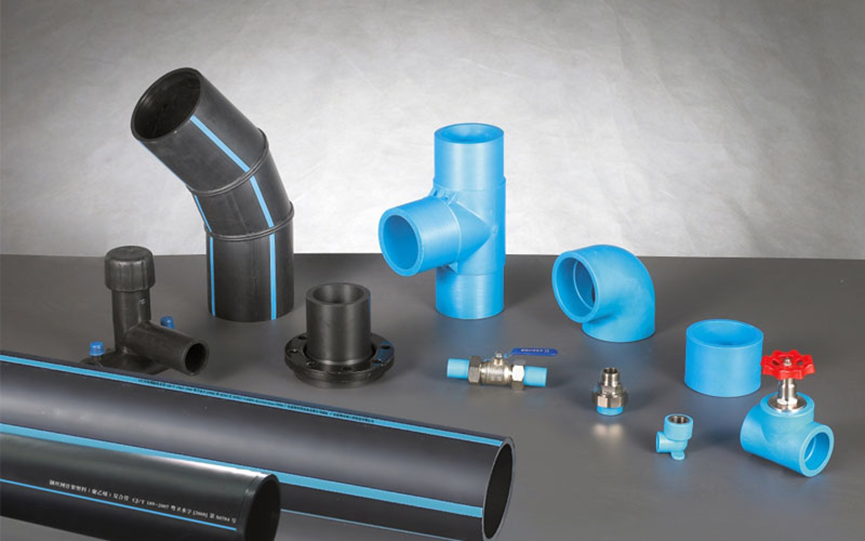
Nominal Sizes and Standards in Water Service
Polyethylene pipe sizes are typically expressed as nominal diameters, which refer to a standardized measurement rather than precise physical dimensions. Common nominal sizes range from small diameters suitable for residential water services up to large diameters for municipal distribution mains. For example, basic standards such as those in AWWA C901 provide sizes from around 3/4 inch through 3 inches, with outside-diameter specifications that match industry norms and ensure compatibility with fittings and valves. Larger diameters up to 65 inches or more are covered under related standards for larger-diameter pressure pipe. These conventions ensure that designers and installers can choose the right size based on system demands without confusion over actual measured dimensions in the field.
Key Dimensional Parameters
When specifying polyethylene pipe, the three main dimensional parameters to consider are nominal diameter, outside diameter, and wall thickness. The nominal diameter is the reference size and often aligns with historic iron pipe sizes or metric equivalents. Outside diameter is controlled so that fittings mate properly, while wall thickness is governed by the Standard Dimension Ratio (SDR), which relates diameter to thickness and affects pressure rating. Lower SDR values mean thicker walls and higher permissible working pressure. This dimensional system simplifies the selection of pipes for water applications.
Global Availability of Sizes
Companies such as LESSO that serve infrastructure and building markets provide polyethylene water pipe in a comprehensive range of sizes. Its products can be sourced in diameters from small service lines around 20 mm up to large mains sized over 1600 mm, allowing for scalability across residential, commercial, and municipal installations. This variety gives planners flexibility to match pipe dimensions to flow and pressure needs in different segments of a project.
Conclusion Understanding the dimensions of polyethylene pipe is essential for specifying the correct materials for water distribution systems. Standardized nominal sizes, outside diameters, and wall thickness ratios enable consistent performance and compatibility across fittings and accessories. By leveraging standardized sizing systems and working with experienced polyethylene pipe suppliers, businesses can ensure that water infrastructure projects meet both functional and regulatory requirements
